The Story of BlueChimp
In 2025 I spent nine months job hunting.
Roughly 700 applications. Four interviews. Zero offers.
By the end of October, I gave up on the standard process. My family and I cut our expenses even further than we already had, and I shifted my focus from full-time roles to contract work.
But the bigger change was how I searched for work.
Instead of applying to posted jobs, I started looking for signals of real demand. Companies researching tools, hiring in adjacent roles, or showing signs that they were about to need help. I paired those intent signals with my existing LinkedIn network, looking for warm paths to the people involved.
The goal was simple: find the need before the job posting exists — and approach it through trusted connections rather than cold applications.
To make this easier, I built a small tool for myself.
It worked.
I received a full-time contract offer. I chose to take it part-time for a few months, because something unexpected happened at the same time: people started asking if they could use the tool too.
Many were in the same place I had been. Burned out. Discouraged. Spending endless hours applying to jobs that either didn't exist or went nowhere.
What surprised me most wasn't just that it worked for me. It seemed to work as a repeatable pattern:
- Find real demand early
- Use your network for warm introductions and internal referrals
- Prioritize contract opportunities over the traditional HR-driven process
Word spread faster than I expected. Since then I've been invited to either bootstrap the idea or explore an accelerator, and several sales leaders have expressed interest in using a version of the system for their teams.
But that's not the main reason I'm sharing this.
The bigger goal is to give something back to people who are struggling to find work — especially those who feel close to giving up like I did.
We're working on a version of BlueChimp designed to help people rediscover their strengths and relaunch their lives in a rapidly changing, AI-driven economy. The hope is to encourage people to look more deeply at what they uniquely offer their communities, their cities, and the world.
Your value is far greater than the job title someone assigns you.
And while money matters, it often comes from unexpected places when you begin asking a deeper question:
"What do I do that others consistently tell me is rare?"
That idea connects strongly with a concept from Dr. Gay Hendricks' book The Big Leap, which explores living and working from your Zone of Genius.
We're exploring ways to partner with Dr. Hendricks to host conversations and gatherings around this idea.
If you're navigating career uncertainty, Dr. Hendricks' work is worth exploring here. The programs focus on building the resilience, patience, and self-understanding needed to move through economic disruption without losing your sense of worth.
Because careers will change.
But your capacity to contribute, create, and serve others is far more durable than any job market cycle.
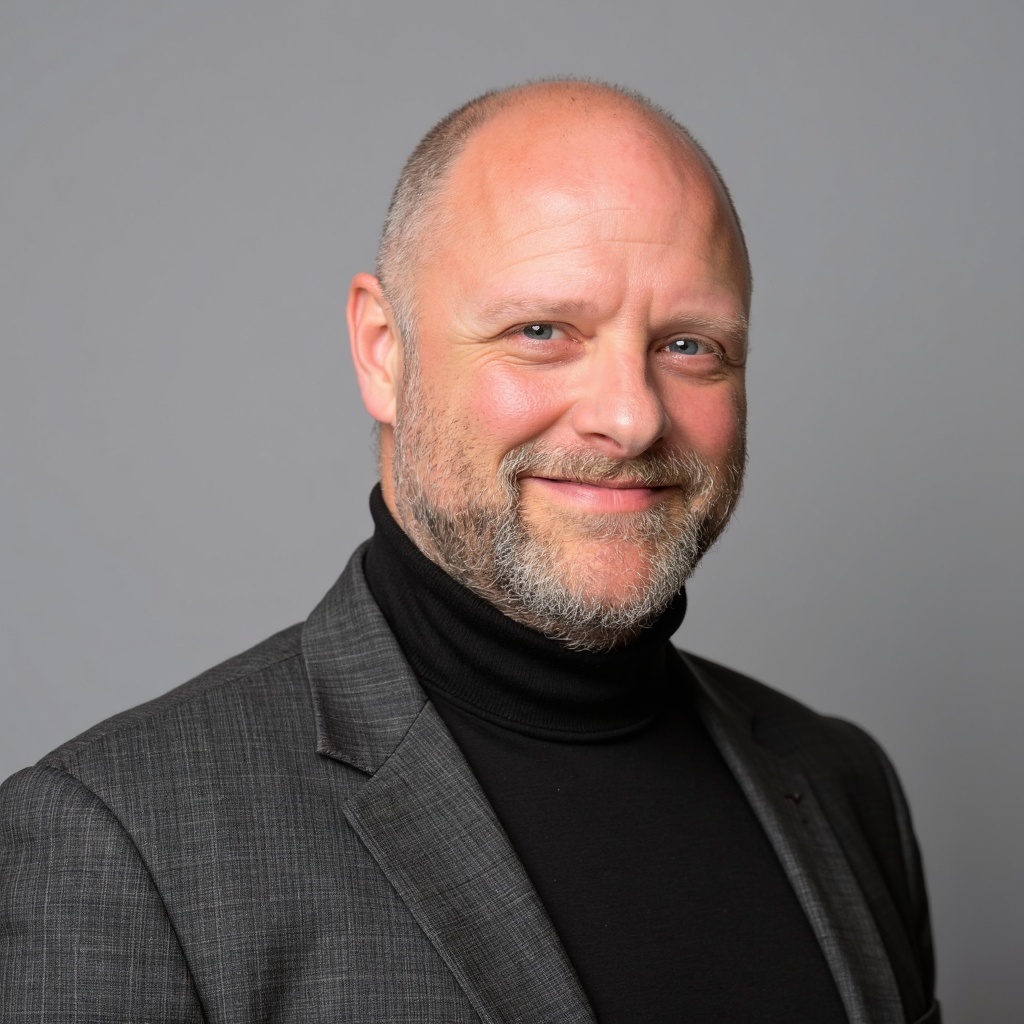
Israel Kloss
Founder, BlueChimp
About Israel Kloss
Israel Kloss, MBA, is the founder of BlueChimp. He has spent more than a decade turning data into revenue for companies of every size. At Analog Devices, he led business intelligence strategy during a $9 billion post-acquisition integration, building dashboards used across a 20,000-employee global enterprise. At Volvo Trucks North America, he modernized fleet analytics to enable predictive maintenance. Earlier, as a data strategy consultant for clients in higher education, SaaS, and the nonprofit sector, his churn prevention models increased customer retention by 30%.
Israel also co-founded Learn to Earn, a project helping students in Kenya teach themselves through access to computers. He built BlueChimp to help people find real opportunities through trusted relationships instead of cold outreach.